“I don’t need anyone”
That was Vanya’s mantra- of life-that she whispered to herself like a prayer, a promise, a warning.
She was the kind of woman everyone admired and looked up to, self-made, disciplined, resilient. Her friends often called her fearless, independent and sorted. At work her bosses praised her for handing impossible deadlines alone, but no one knew behind her calm smile was deep, gnawing loneliness- a loneliness too silent that it looked like strength.
Vanya learned self-efficacy the difficult way. Growing up in a home where the emotional needs were dismissed, she quiet early realized that asking for help was pointless- even dangerous. When her father left, her mother, Megha, couldn’t handle the weight of it all, the sudden emotional burden of her partner leaving and the financial burden too large to handle for a housewife like her broke her, she was diagnosed with severe depression. Seeing how her mom, who was Vanya whole world get to that stage in front of her really made her to take on the “adult” roles early. Someone had to hold things together. That “someone” became a teenage girl who stopped crying and started surviving.
Psychologists often describe this as hyper independence- an extreme form of self-reliance that develops as a trauma response (Choosing therapy, 2024). When a person experiences betrayal, neglect, or emotional invalidation, their nervous system learns that “depending on others= unsafe.” According to VeryWellMind (2022), this pattern is rooted in survival- the child learns, “If I don’t protect myself, no one else will.” Over time that protection becomes armour.
It’s the same armour that keeps people safe but also isolated.
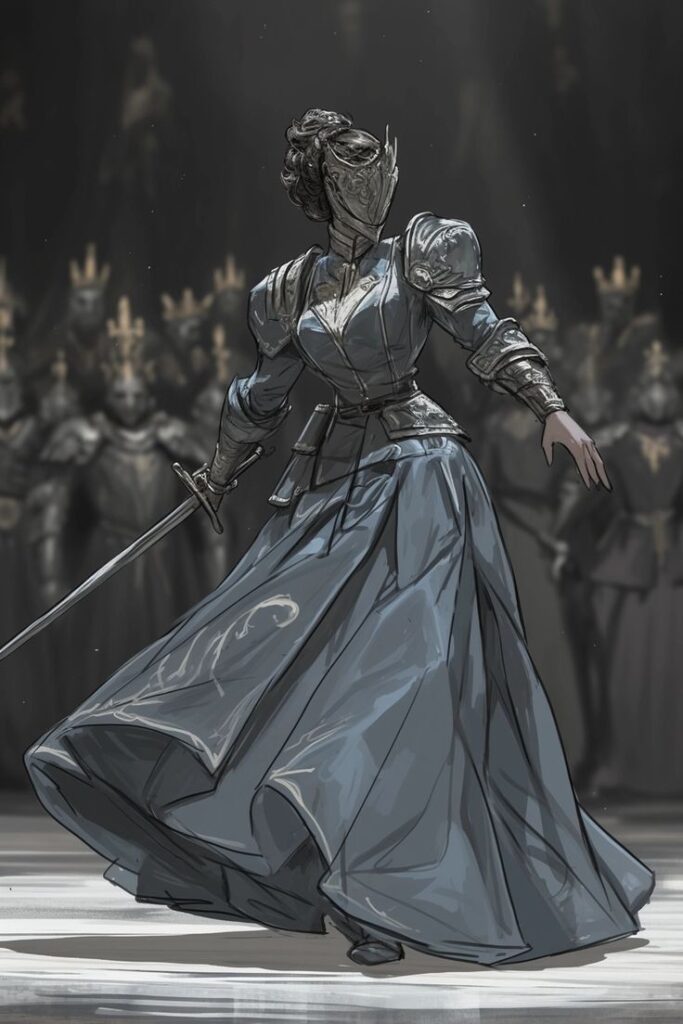
By her late twenties, Vanya had climbed fast in her career. She worked in a corporate environment where “self-made success” was worshipped. Her image- the unstoppable, always composed woman- became her identity.
But that identity had rules:
And those rules came from somewhere deeper that her personal history. they were woven into the cultural fabric around her.
Society glorifies the woman who has it all together. From glossy magazine covers to Instagram reels, women are told that independence is the ultimate goal. Society glorifies the woman who “has it all together.” But as feminist psychologists have pointed out, this narrative while empowering on the surface often becomes a performance of strength rather than an expression of freedom (Thomas, Banks, Eaton, & Ward, 2022).
In a major review spanning 25 years of research on the “Strong Black Woman” schema, Thomas et al. (2022) found that women who internalize this ideal of unwavering independence experience higher levels of stress, emotional suppression, and poorer mental health outcomes. Although that study focused on African-American women, the pattern resonates across cultures including Indian contexts where women are silently expected to “endure without complaint.”
So, when Vanya refused help, it wasn’t just personal pride – it was social conditioning whispering, “Needing anyone makes you less.”
One Friday night, after finishing yet another late meeting, Vanya returned to her apartment, exhausted. The lights flickered a sudden power cut. No laptop. No phone charger. Just darkness.
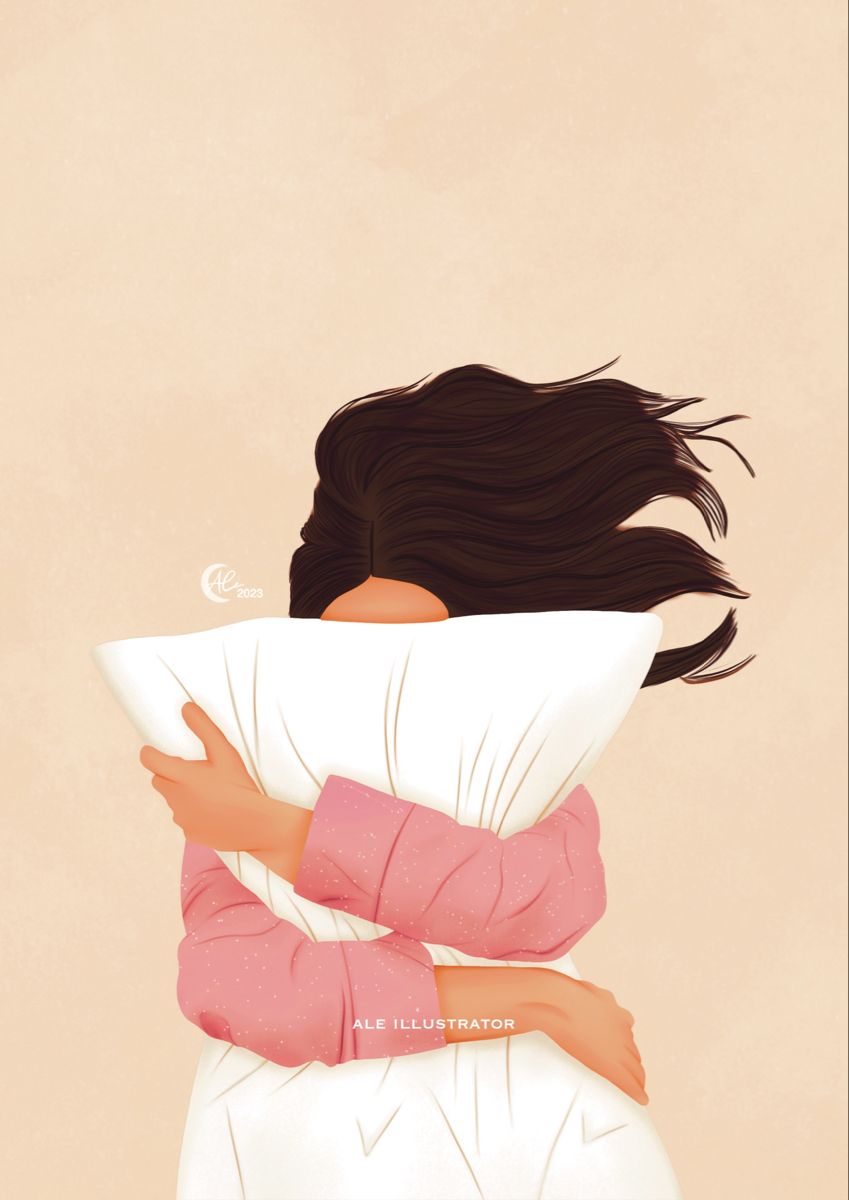
For the first time in years, she sat in stillness. The silence was deafening. Her body felt like it was carrying ten years of weight she never allowed herself to feel. She realized she couldn’t remember the last time she’d asked someone to simply stay.
That night, she did something radical. She called her sister and said, “Can you bring me candles? And maybe… just stay a while?” Her voice cracked mid-sentence. For a second, she almost hung up but she didn’t.
Her sister came. They sat together in the dark, eating noodles out of the box, talking about nothing and everything. It felt small, but to Vanya, it was the beginning of something big: connection without fear.
From a psychological perspective, Vanya’s story fits a familiar pattern. According to trauma specialist Dr. Judith Herman (1992), survivors of chronic neglect or betrayal often develop “self-reliant survival modes” – patterns of emotional withdrawal, perfectionism, and control. These individuals appear capable and successful but struggle with intimacy and trust.
Neuroscience reinforces this. A study by Eisenberger et al. (2003) found that social rejection activates the same brain regions as physical pain. Yet people with hyper-independence often suppress this need for connection, numbing both pain and pleasure. Over time, this leads to burnout, loneliness, and physiological stress responses including elevated cortisol and weakened immune functioning (Cacioppo & Hawkley, 2009).
Simply put: Our bodies are wired for connection. Independence might make us look strong, but isolation makes us sick.
Even Very WellMind (2022) reminds us: “Hyper-independence may once have served a purpose but what protected you before might now be holding you back.”
Therapy became Vanya’s next brave decision. She sat across from her therapist, arms folded, saying, “I’m fine. I just overwork sometimes.” The therapist smiled gently and replied, “You’ve been fine for too long. What would happen if you let someone help you?”
That question stayed with her.
In therapy, she learned that healthy independence and hyper-independence are not the same.
Healthy independence = confidence with connection.
Hyper-independence = control rooted in fear (Mikulincer & Shaver, 2007).
Bit by bit, she practiced small acts of trust accepting help with a project, saying “I’m tired” without apology, allowing herself to cry without feeling weak. Each act felt terrifying, yet liberating.
And here’s the truth the research often forgets to say out loud: Healing from hyper-independence isn’t about becoming dependent.
It’s about becoming safe enough to depend.
Months later, Vanya still walks into boardrooms with the same confidence – but now she carries softness with it. She doesn’t apologize for needing a day off. She accepts help without guilt. When friends ask how she’s really doing, she answers honestly.
She’s learned that the strongest people aren’t the ones who never fall they’re the ones who know how to reach out when they do.
As Very WellMind (2022) beautifully puts it, “Hyper-independence is a scar shaped like strength.”
And like any scar, it tells the story of survival- but also the hope of healing.
So, What Can We Take From This?
If you recognize a bit of yourself in Vanya the one who never asks, never cries, never leans-know this: your independence isn’t bad. It once kept you safe. But now, you deserve safety that doesn’t require solitude.
You deserve community.
You deserve ease.
You deserve to be held – not just by others, but by your own gentleness.
Maybe strength was never meant to mean standing alone.
Maybe the truest strength is the courage to say:
“I can’t do this all by myself and I don’t have to”
By Ananaya Yadav
Touch of Peace Mental Health Care Services Pvt. Ltd. Building an inclusive haven, where emotional well-being is woven into daily life.
Copyright © 2024 Touch Of Peace Care | Made With ❤️ Viba Digital Agency.